
The role of the executive assistant has changed more in the last decade than in the fifty years before it. Middle management has thinned out, AI is absorbing routine tasks, and remote work has redrawn how executives and their assistants actually work together. So what does the modern assistant role look like — and where is it heading?
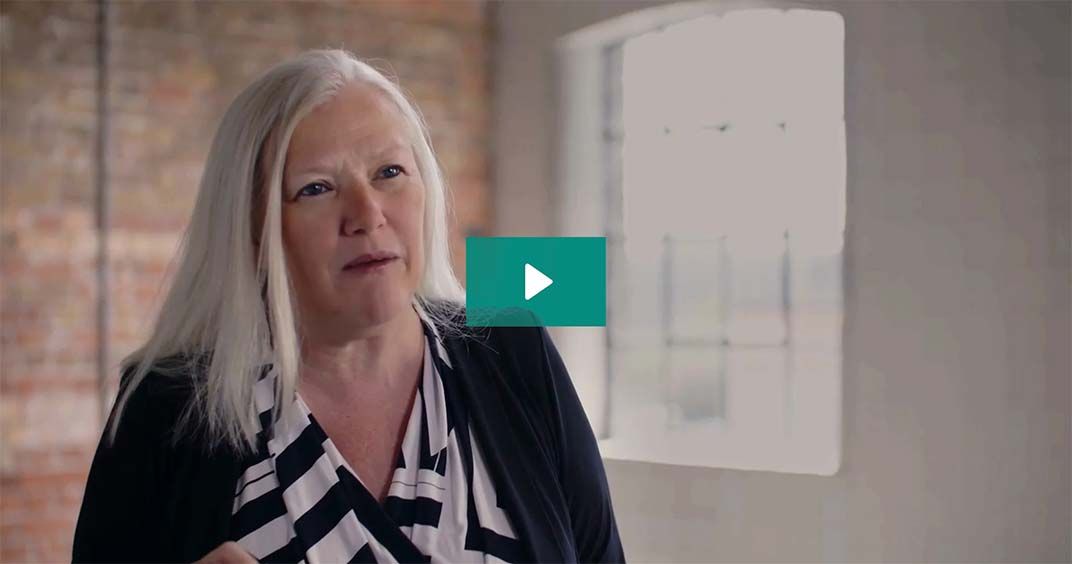
To explore exactly that, we sat down with Lucy Brazier, CEO of Marcham Publishing and one of the most recognised voices championing the profession worldwide. In this short video series, Lucy shares a refreshingly direct view on where assistants add real value, why so many feel underutilised, and what the future holds for the role.
Here's a look at what she covers.
Gatekeepers of time, not people
Lucy's opening point reframes the job entirely. Assistants aren't there to gatekeep people — they're there to gatekeep time. If your executive is paid €500 an hour and still managing their own calendar, that's time the business is losing. The assistant's job is to hand that time back.
Three forces reshaping the profession
From the 2008 financial crisis to AI to the pandemic, Lucy walks through the three shifts that have pushed assistants out of reactive admin and into something far more strategic. The headline: AI isn't coming for the role — it's clearing space for it to grow up.
The hidden contribution to the bottom line
Many assistants still believe they don't contribute to revenue. Lucy does the maths on why that's simply wrong — and gives a simple formula any assistant can use to quantify their real impact.
How to have the proactivity conversation
58% of assistants feel underutilised. Lucy's advice on how to change that is practical: bring three specific ideas to your executive, frame them around the business, and deliver flawlessly. Trust compounds from there.
Where the role is heading
With the World Administrators' Alliance global skills matrix now giving the profession a proper career framework, Lucy sees a clear path from assistant to strategic partner — and, increasingly, to Chief of Staff.